— GUIDE · BELOW THE SURFACE
What Happens When Old Tiles Come Off
Lifting old tiles is when a renovation stops being a guess. Until the existing finish is off, nobody can see the wall or floor behind it, and that includes me. This guide covers what can turn up, what I do when it does, and why your costs and timeframes depend on what I find.
— IN THIS GUIDE
01 What can turn up
—
02 When I find something
—
03 Plumbing & electrical
—
04 Costs & timeframes
—
05 Before you get in touch
≈15 years renovation experience
Free on-site assessment
Detailed written quotation

Reference photo: a wall partway through retiling, with exposed substrate and staining above the tiled area.
— 01 · EXISTING CONDITIONS
Some things only show once the tiles are off
During the on-site assessment I look closely at the existing tiles, the grout, the floor falls and any signs of movement or moisture. That tells me a lot, but not everything. Concealed conditions may only become apparent after existing finishes are removed. Depending on the age and history of the room, that can include:
— Old adhesive or mortar beds that are uneven or poorly bonded
— Cracked or crumbling screed and render
— Damaged or soft wall linings
— Staining that suggests moisture has been getting in
— Earlier repairs that were patched over rather than fixed
None of these can be ignored. New tiles laid over an unsound surface will carry the same problem forward.
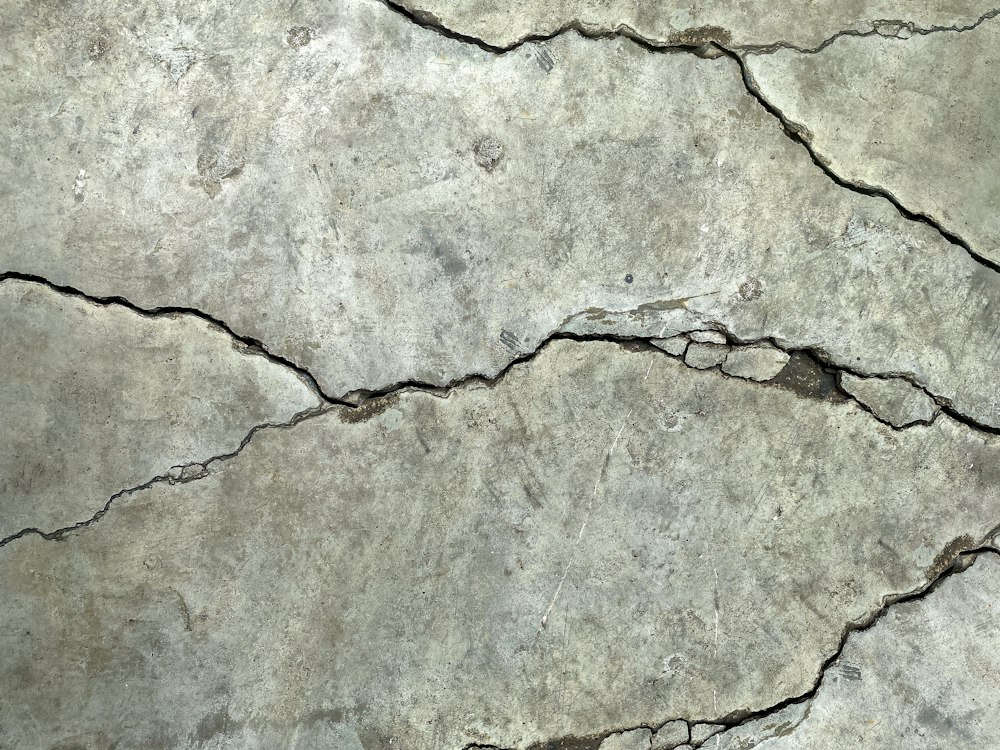
Reference photo: a cracked cement surface of the kind that needs attention before tiling.
— 02 · WHEN I FIND SOMETHING
You hear about it before anything else happens
Because you work directly with me from assessment to completion, any finding comes straight to you from the person who found it.
01
I pause that part
I won’t tile over a problem just to keep the job moving.
02
I show you
You see what I’ve found, and I explain in plain English what it means for the surface.
03
I explain the options
I set out the practical solutions, what each one involves and what it changes, including any limitations.
04
You decide
Nothing beyond the agreed scope goes ahead until you’ve agreed to it.
— 03 · LICENSED TRADES
Plumbing and electrical issues go to licensed specialists
If lifting tiles exposes a leaking pipe, a damaged waste or wiring that needs attention, appropriately licensed specialists complete that part of the work. I don’t carry out licensed plumbing or electrical work myself. I’ll tell you what I’ve seen, and I’ll plan my preparation and tiling around their part of the job so the surface goes back down properly once their work is done.
— 04 · COSTS & TIMEFRAMES
Why the price depends on what's there
Costs, timeframes and work requirements depend on the existing property, the materials you select and the agreed scope. My detailed written quotation is based on what I can assess before work starts. Any pricing discussed before that is general guidance only. If concealed conditions change the scope, I’ll talk it through with you before going further, so you know what’s changing and why.
“A more expensive tile can’t make up for an unsuitable or poorly prepared surface.”
Read more in Why What’s Under the Tile Matters and Surface Preparation.
— 05 · BEFORE YOU GET IN TOUCH
Worth mentioning when you get in touch
— Roughly how old the tiles are, if you know
— Any cracked, loose or hollow-sounding tiles
— Water marks, mould or soft spots nearby
— Earlier repairs you’re aware of
— Your suburb, and photos if you have them
It won’t reveal everything, but it helps me make the most of the on-site assessment.