THE METHOD · SECTION
The finish is decided long before the first tile
Tiling Malvern is a tiling, waterproofing and tile repair trade working through Malvern and the suburbs around it. This page is about how the work is put together rather than who is holding the trowel.
Residential bathrooms, kitchens, floors, balconies and outdoor areas, plus small commercial wet areas and repairs.
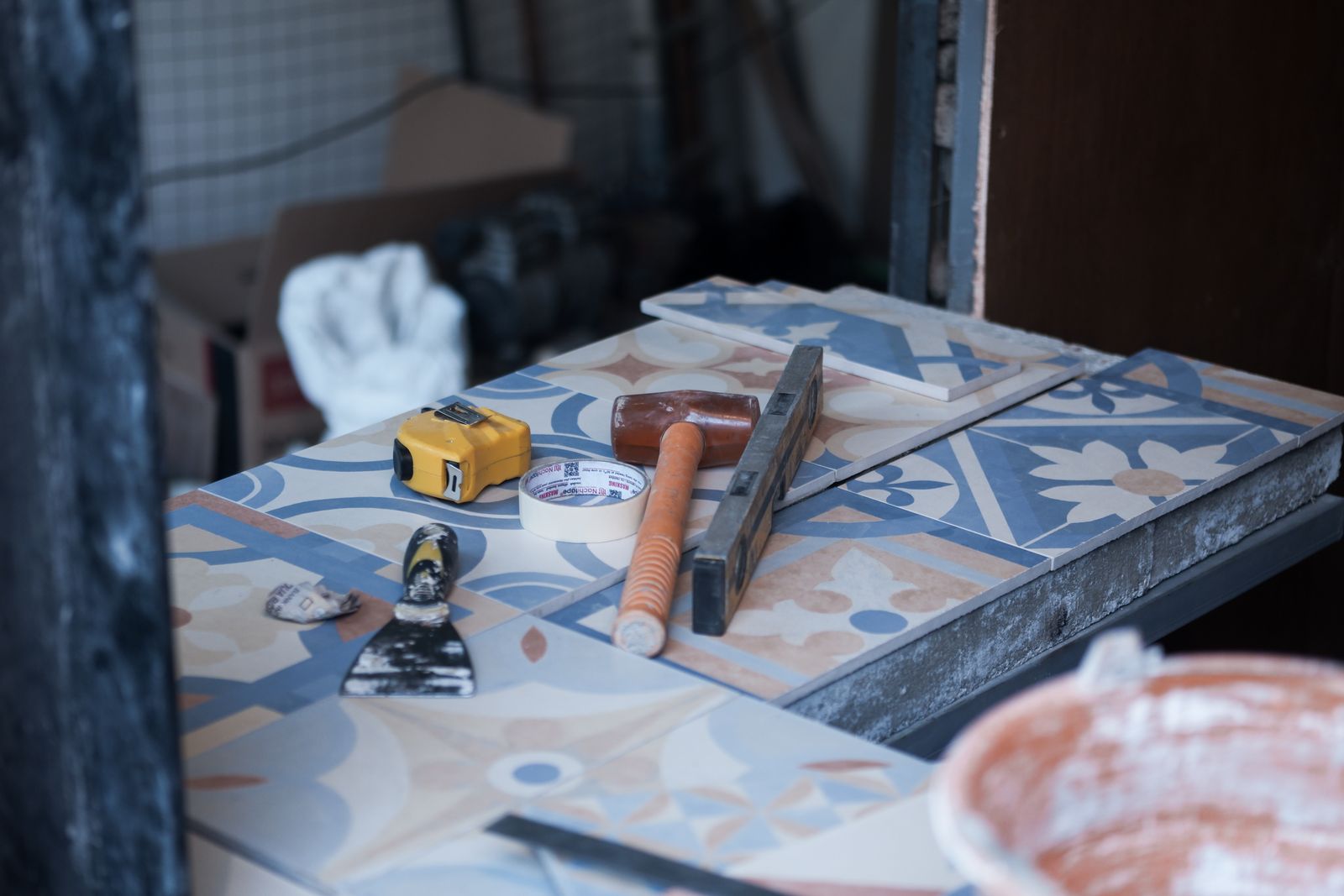
A level, tape measure and setting tools laid out before work starts. On this job the checks come before the adhesive does.
SUBSTRATE
Nothing is tiled over a surface that has not been resolved first.
Preparation is the part of the job with no shortcut
Most tiling that fails was not laid badly. It was laid over something that was moving, damp, hollow or out of level, and the tile simply reported the problem later. So the first part of any job here is spent on the surface: checking falls and levels, sounding sheeting and screed for movement, looking at how the floor meets the wall and where the waste actually sits.
Where something needs correcting, it gets corrected at that stage — levelled, patched, re-sheeted or re-screeded — rather than absorbed into a thicker adhesive bed. It is slower to say so in a quote and far cheaper than saying it afterwards. The same reading applies to repair work: a cracked or drummy tile is treated as a symptom until the cause is understood.
THE DEPTH REGISTER
What gets checked at each depth before the next layer goes on, and what stops the job until it is put right.
What is checked, and what is refused, at each depth
SLAB · SHEETING
Sounded before anything is ordered
SCREED · LEVELS
No thick bed to hide a hollow
Checked: flatness, falls to the waste and heights at doorways and thresholds. Refused: making up a low spot with extra adhesive, or leaving water on a floor or balcony to find its own way to the outlet.
PRIMER + MEMBRANE
A hold point, not a formality
ADHESIVE BED
Full cover, not dabs in the corners
TILE · SET-OUT
Agreed before the first cut
GROUT + SILICONE
Grout is never asked to seal
HOW A JOB RUNS
Four stages on every job
01
Look before pricing
Substrate, moisture, falls, waste position and existing tilework are read before anything is priced, along with where the job has to meet other trades.
02
Agree the order
Corrections, set-out and trims are agreed before work starts, so a problem found under the old floor becomes a conversation rather than a surprise.
03
Hold for cure
Membrane coats are given their cure time even when the programme is tight. A day saved here is the one most often paid for twice.
04
Finish in order
0 MM · SURFACE
How a finished room actually reads
Once the layers underneath are right, the quality of a room comes down to small decisions made consistently: a joint width suited to the tile rather than the fastest one to fill, courses that carry through from wall to floor where they should, cuts kept off the sightline, and trims chosen before the tiling starts instead of being hunted for at the end.
Sealant lines get the same attention. Straight, even, cut into the corner properly and separated from the grout, because that junction is where movement lives and where a shower usually starts to let go.
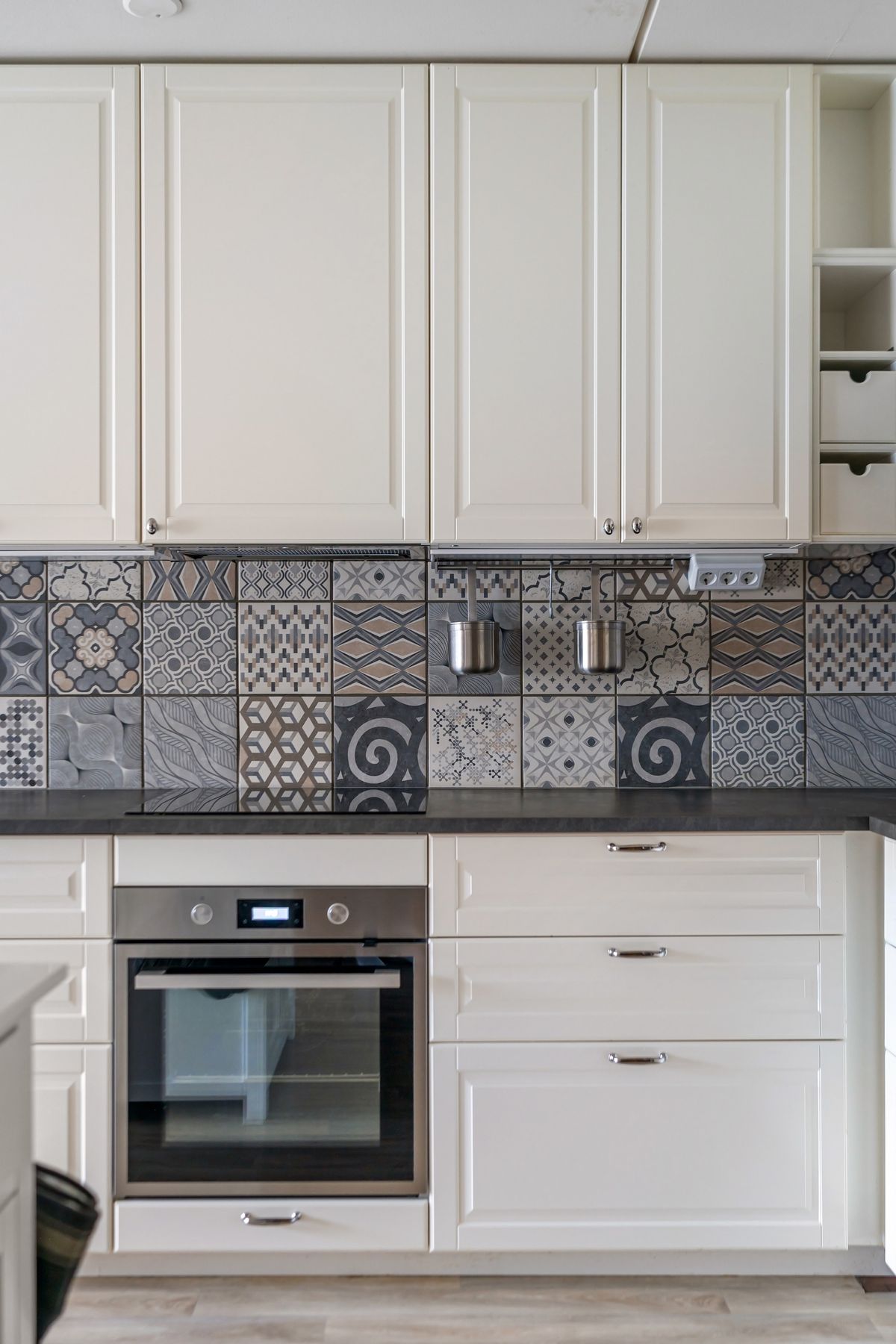
A finished patterned kitchen splashback. On a patterned tile the eye goes straight to the joint lines, the cut placement and the edge at the benchtop. The layers behind it are already out of sight.
SCOPE
Who the work is for
RESIDENTIAL
Homes, one room at a time
Bathrooms and laundries, kitchen splashbacks, hallway and living floors, balconies and outdoor areas. Work is kept contained and tidy, and the sequence is explained before it starts so you know which days are noisy and which are waiting on cure.
SMALL COMMERCIAL
Shops, suites and amenities
Café and retail floors, staff kitchens, amenity wet areas and tenancy repairs. The method does not change for a commercial address; the tile selection and slip rating usually do, and traffic dictates the adhesive and grout.
ALONGSIDE OTHER TRADES
Turning up at the right stage
MALVERN · VICTORIA
Local work, and why it helps
Malvern is the centre of the work, with jobs running through Malvern East, Armadale, Toorak, Glen Iris, Kooyong, Prahran, South Yarra, Caulfield North and Carnegie. Staying inside that radius keeps visits short, which matters on wet area work where a job needs looking at between coats rather than in one long push.
It also builds a useful memory of the local housing stock. Period homes with timber floors and hobbed showers, interwar brick with tired 1980s bathrooms, and newer apartments with membrane-over-slab balconies each fail in their own way, and each asks for different preparation before a tile goes near them.
NEXT