Home  ·  Tiling Guides  ·  Regrouting Guide

GUIDE · GROUT + SILICONE · 0 MM

Regrouting: when it works and when it only hides the problem


Fresh grout can make a tired shower look almost new in a short visit. How long that lasts depends on what’s under the joint: tiles still bonded to their bed, and a membrane still keeping water where it should be. This guide covers both sides. It explains what regrouting really fixes, and the signs that it would only cover up a deeper problem.

For homes and small commercial spaces in Malvern, Armadale, Glen Iris and the suburbs around them.

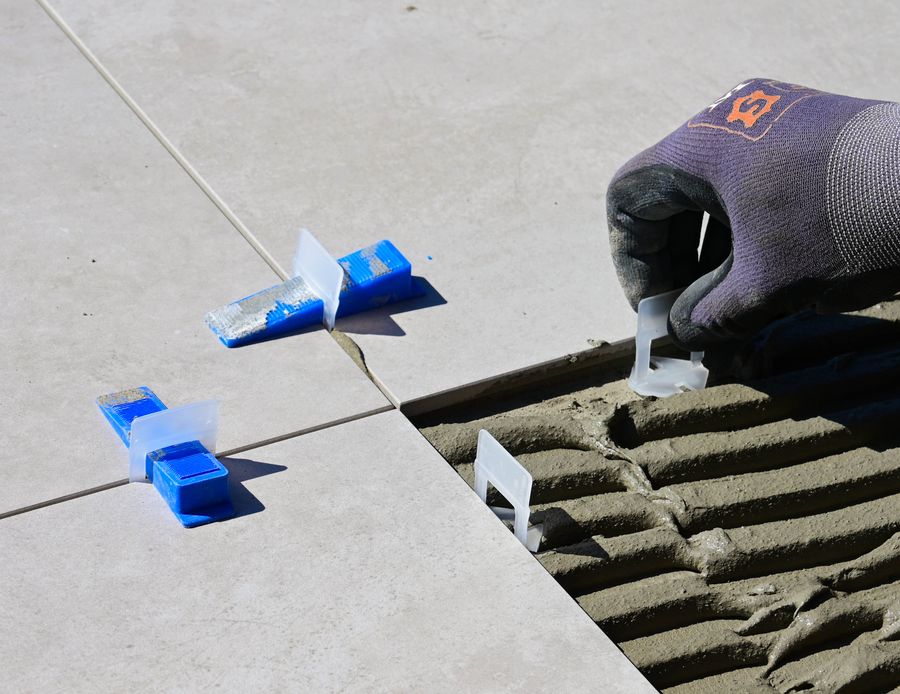
Close-up of large floor tiles being installed over mortar, with blue levelling clips and spacers positioned along the joints.

REFERENCE PHOTOGRAPH · NEW JOINTS HELD EVEN WITH LEVELLING CLIPS: THE WIDTH AND LINE A REGROUT SHOULD KEEP


BEFORE YOU BOOK A REGROUT

Five checks worth doing first

01  Tap each tile with a knuckle. A hollow note means it has lost its bond.
02  Look for cracked tiles, not only cracked grout.
03  Check the silicone at corners, along the floor and around the screen.
04  Look for staining, swollen skirting or flaking paint on the other side of the wall.
05  Decide whether the grout is just dirty or is actually crumbling away.

If every check comes back clean, a regrout is probably the right size of job.

0 MM · SURFACE

What regrouting actually achieves

Grout fills the gaps between tiles, locks their edges together and leaves a surface you can clean. Cement grout soaks up soap, body oils and moisture over the years, so it discolours, wears down and cracks away in places. Regrouting replaces that joint material without lifting a single tile.

It doesn’t add waterproofing. In a shower, the membrane under the tile bed does that job. Grout slows water down but doesn’t stop it.

HOW THE JOINT IS RENEWED

01  Rake out. Old grout comes out to an even depth. The work is done carefully so tile edges and glaze don’t chip.
02  Clean out. Dust is vacuumed out of the joints so new grout bonds to solid material.
03  Refill. Grout is packed in with a rubber float, worked diagonally across the joints.
04  Tool and clean. Joints are shaped evenly, and grout haze is sponged off before it sets.
05  Cure. The area stays dry for as long as the product needs, then gets sealed if the grout type calls for it.

GROUT TYPES

Cement or epoxy: choosing the joint material

Neither one is simply better. The right choice depends on how wet the area gets, how it’s cleaned and whether the tiles might need work later.


Cement-based grout

This is the standard for most walls and floors. It’s easy to work with, comes in a wide range of colours and can be repaired later. It’s porous, so it benefits from sealing in wet areas and will pick up stains over time.

Suits bathroom walls, general floors and splashbacks.


Epoxy grout

Epoxy is a resin system that cures dense and non-porous. It resists stains and cleaning chemicals and needs no sealing. The trade-off is that it’s slower and less forgiving to install, and harder to remove if a tile ever needs replacing.

Suits shower floors and small commercial areas that get cleaned hard.

Colour and the joints that move

COLOUR

Colour matching and recolouring

Matching an existing colour is harder than it sounds. New grout dries differently from joints that have aged for years, so a partial regrout often shows up as patches. Doing a whole wall or floor gives one even colour. If the grout is sound but stained, a colourant applied over clean joints can change the look without raking out. It won’t fix crumbling joints, though.

GROUT + SILICONE · CHANGES OF PLANE

Why silicone joints are replaced, not grouted

Internal corners, floor-to-wall junctions and the edges around the bath, basin and screen all move slightly. The building shifts, and hot water warms and cools the surface. Rigid grout cracks at those joints, so they need a flexible sealant. Old silicone has to be cut out completely and the joint cleaned, because new silicone won’t bond to old silicone or mould. Grouting over these joints is a common reason a fresh regrout cracks at the corners.

BELOW THE JOINT

When new grout only buys time

ADHESIVE BED

Drummy or loose tiles

If tiles sound hollow or move when you press them, the bond between tile and bed has failed. New grout will crack along the same lines because the tiles underneath are still moving. The sensible fix is to lift and relay them. See Tile Repairs and the guide to reading drummy and cracked tiles.

PRIMER + MEMBRANE

A failed membrane

Sometimes water reaches walls, skirting boards or the room below even though the grout and silicone look fine. In that case the membrane may have failed. A regrout can hide the symptoms for a while as damage carries on behind the tiles. That needs proper diagnosis through Leaking Shower Repairs, and the early signs of a leaking shower are worth knowing first.

AFTER THE REGROUT

Keeping new grout looking new

In a well-built shower that’s cleaned regularly, grout stays in good shape for a long time, but it isn’t permanent. Cement grout needs resealing now and then. Silicone takes the most movement, so it usually needs replacing before the grout around it.

—  Squeegee the walls after showering so the joints dry faster.
—  Use a pH-neutral cleaner. Acidic and harsh bleach products wear down cement grout and sealers.
—  Scrub with a soft brush, never a wire brush or scourer.
—  Run the exhaust fan and leave the screen open so the room can dry.
—  Replace silicone once it’s split, lifting or mouldy. Don’t just clean over it.
If the five checks at the top of this page came back clean, a regrout is worth pricing. Read how Tiling Malvern approaches regrouting, or get in touch with a description of the joints and the room.